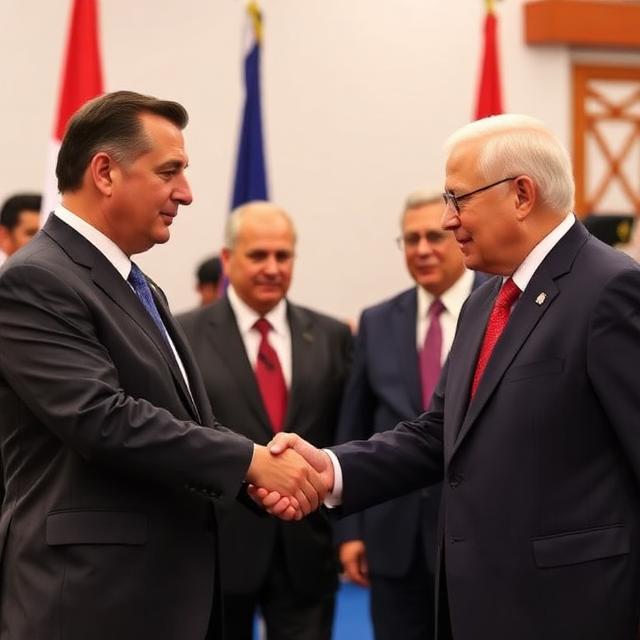
Global leaders are accelerating efforts to form new trade alliances and strengthen economic partnerships in 2026 as international competition over technology, manufacturing, energy, and supply chains intensifies. Governments are increasingly focusing on regional cooperation and strategic economic agreements to reduce vulnerabilities in global trade networks.
Several countries are negotiating new trade deals aimed at improving market access, increasing exports, and securing long-term economic stability. Industries including technology, semiconductors, agriculture, renewable energy, and manufacturing have become central to modern trade negotiations as nations attempt to strengthen domestic industries while expanding international business opportunities.
Supply chain security remains one of the biggest concerns for world economies. Recent disruptions caused by geopolitical tensions, shipping delays, and rising transportation costs have encouraged governments to diversify supply chains and reduce dependence on single markets. Companies are increasingly shifting production closer to home or expanding manufacturing into multiple regions to reduce future risks.
Economic competition between major powers is also reshaping international trade policies. Tariffs, export controls, investment restrictions, and industrial subsidies are becoming more common as countries compete for technological leadership and strategic influence. Analysts say global trade is becoming increasingly linked to national security and geopolitical strategy.
Emerging economies are playing a larger role in international trade discussions. Nations in Asia, Africa, Latin America, and the Middle East are expanding infrastructure investment, industrial development, and regional partnerships to strengthen their positions in the global economy.
Technology is becoming a major battleground in trade relations. Artificial intelligence, semiconductor manufacturing, telecommunications infrastructure, and digital services are now among the most strategically important sectors in international economic competition. Governments are investing heavily in innovation to secure future economic advantages.
Global financial institutions are encouraging international cooperation to prevent economic fragmentation and maintain stable trade systems. Economists warn that excessive protectionism and trade barriers could slow global growth and increase inflation pressures in many regions.
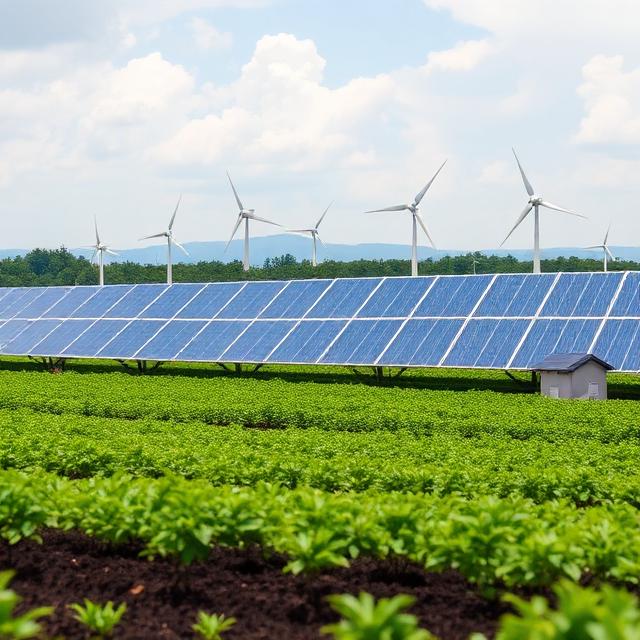
Energy trade is also evolving rapidly as countries transition toward renewable energy systems while still managing traditional oil and gas markets. Competition over energy supply chains, battery materials, and clean technology manufacturing is becoming increasingly important in diplomatic negotiations.
Experts believe the future global economy will be shaped not only by economic strength but also by how effectively countries manage international partnerships, technology competition, and supply chain resilience in an increasingly interconnected world.