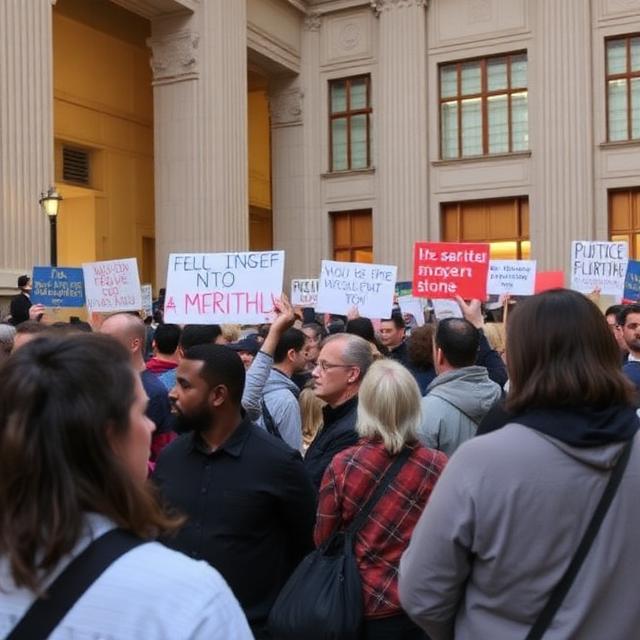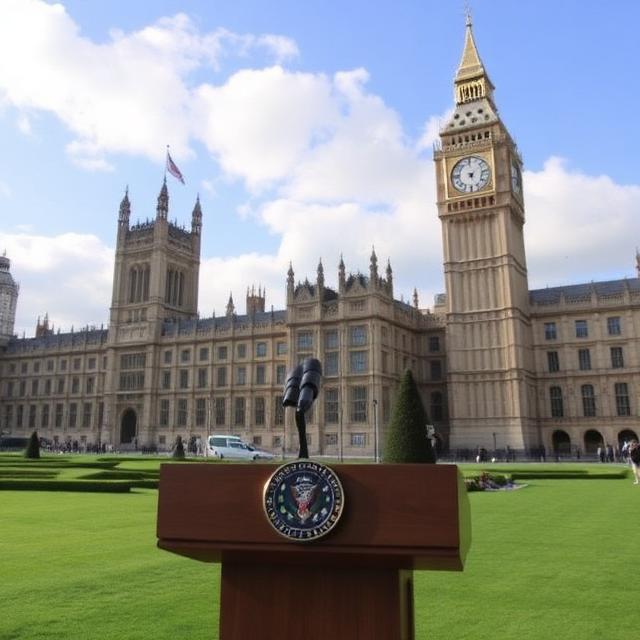
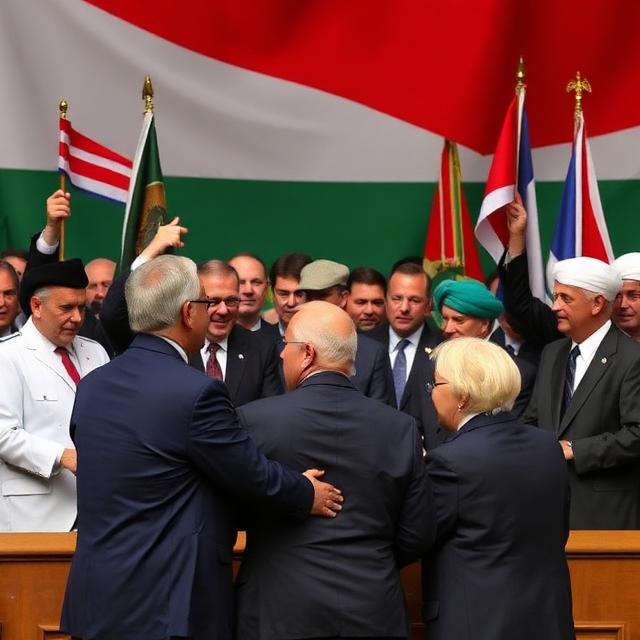
World politics in 2026 are being heavily influenced by rising geopolitical tensions, major national elections, economic uncertainty, and growing security concerns across multiple regions. Political leaders worldwide are facing mounting pressure to balance domestic priorities with increasingly complex international challenges.
Several major countries are preparing for important elections that could significantly influence global diplomacy, trade policies, defense strategies, and economic relations. Political analysts say election outcomes in key nations may reshape alliances and affect international cooperation on issues including climate policy, technology regulation, migration, and military security.
Geopolitical rivalry between major global powers continues intensifying as countries compete for influence in trade, technology, defense, and strategic regions. Governments are expanding military investments, strengthening alliances, and reviewing national security policies in response to growing uncertainty in international relations.
Economic issues are becoming central to political debates worldwide. Inflation, housing affordability, unemployment concerns, rising living costs, and public debt are increasing political pressure on governments in many countries. Leaders are facing growing demands to improve economic stability while maintaining long-term growth and investment.
Migration and border security remain major political topics across Europe, North America, and parts of Asia. Governments are debating immigration reforms, refugee policies, and border management strategies as global migration pressures continue rising due to conflict, economic instability, and climate-related displacement.
Technology and cybersecurity are also becoming increasingly important in world politics. Artificial intelligence regulation, digital surveillance, data protection, misinformation campaigns, and cyber warfare are now major issues in diplomatic discussions and national policy planning.
International organizations and alliances are facing pressure to respond effectively to modern global crises. Political divisions between countries have complicated cooperation on issues including conflict resolution, trade disputes, sanctions, climate agreements, and humanitarian aid.
Public trust in political institutions remains another major challenge in several democracies. Political polarization, social media influence, misinformation, and dissatisfaction over economic conditions are contributing to growing political instability in some regions.
At the same time, emerging economies are gaining greater political influence on the global stage. Countries across Asia, Africa, the Middle East, and Latin America are expanding diplomatic partnerships and seeking stronger roles in international decision-making processes.
Political experts believe the world is entering a period of significant geopolitical transition where economic power, technological leadership, military strength, and diplomatic influence are becoming increasingly interconnected. Decisions made by global leaders in 2026 could shape international politics for many years to come.