
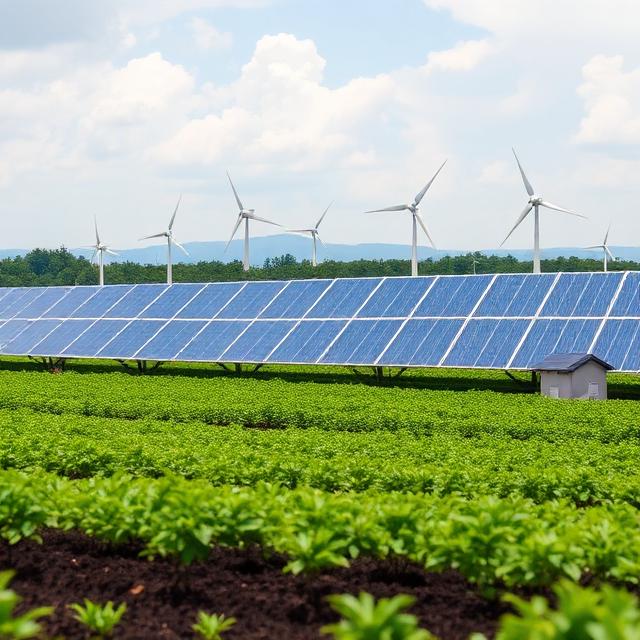
Renewable energy investment is reaching record levels around the world in 2026 as governments, corporations, and financial institutions increase spending on clean energy infrastructure and sustainable power technologies. Analysts say the global energy transition is accelerating rapidly due to climate concerns, energy security challenges, and falling renewable technology costs.
Solar and wind energy remain the fastest-growing sectors in the renewable industry. Countries across Asia, Europe, North America, and the Middle East are expanding renewable power capacity through large-scale solar farms, offshore wind projects, and grid modernization programs. Improvements in energy storage systems are also making renewable electricity more reliable and practical for large-scale use.
Governments are introducing new policies and incentives to encourage clean energy investment. Tax credits, subsidies, infrastructure funding, and emissions reduction targets are helping accelerate renewable energy adoption across both developed and emerging economies.
Energy security has become a major driver behind the global renewable push. Rising geopolitical tensions and volatility in fossil fuel markets have encouraged many countries to reduce dependence on imported oil and gas. Renewable energy is increasingly being viewed not only as an environmental solution but also as a strategic economic and national security priority.
Battery technology is playing a critical role in the transition toward cleaner energy systems. Companies are investing heavily in advanced energy storage solutions capable of storing excess renewable electricity and stabilizing power grids during periods of high demand. Experts say battery innovation will become one of the most important sectors in the future energy economy.
Electric vehicles are also contributing to renewable energy growth. The increasing shift toward EV adoption is encouraging governments and utilities to expand clean electricity production and charging infrastructure. Analysts believe transportation electrification and renewable power development will become increasingly interconnected over the next decade.
Despite rapid growth, the renewable sector still faces challenges including grid limitations, supply chain constraints, permitting delays, and the high cost of upgrading aging energy infrastructure. Some countries are also struggling to balance energy transition goals with short-term economic pressures and industrial demands.
Environmental organizations say global renewable investment must continue increasing to meet long-term climate goals and reduce greenhouse gas emissions. Scientists warn that faster energy transition efforts will be necessary to limit the effects of climate change in coming decades.
Industry experts believe 2026 could become a defining year for the global energy sector as renewable technologies move further into the mainstream and reshape how the world produces and consumes energy.