The global technology industry is entering a new era in 2026 as artificial intelligence, quantum computing, and semiconductor technology continue to advance at an unprecedented pace. Experts say these technologies are no longer experimental concepts limited to research labs — they are becoming the foundation of the next generation of computing that could transform industries worldwide.
One of the biggest developments in recent weeks has been the rapid progress in quantum computing. Major technology companies and governments are investing billions into building quantum processors capable of solving problems that traditional computers would take years or even centuries to complete. Quantum systems use qubits instead of traditional binary bits, allowing them to process multiple possibilities simultaneously. This makes them especially valuable for scientific research, cryptography, logistics, healthcare, and advanced AI development.
The United States, Europe, and China are all accelerating investments in quantum technology as competition intensifies. Governments are increasingly treating advanced computing as a national strategic priority because leadership in this sector could determine future economic and technological power. New quantum chip manufacturing facilities and research centers are being announced to reduce dependence on foreign technology and speed up innovation.
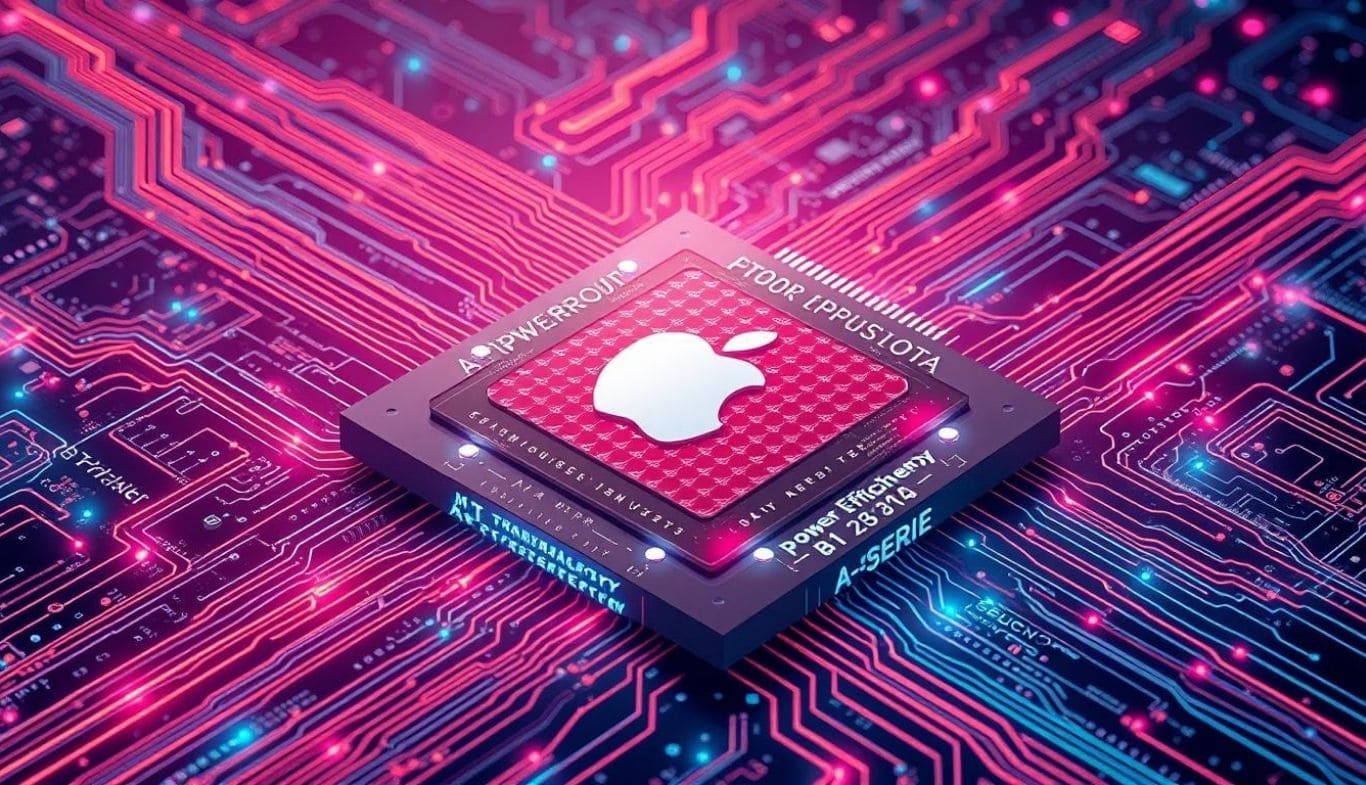
Artificial intelligence hardware is also becoming one of the hottest sectors in the global tech market. Traditional processors are struggling to meet the enormous power demands of modern AI systems, leading chipmakers to create specialized AI accelerators designed specifically for machine learning workloads. These new chips are significantly faster and more efficient than older processors, allowing companies to train advanced AI models in less time while reducing energy consumption.
Tech companies are now competing not only on software but also on hardware innovation. AI chip development has become central to everything from cloud computing and robotics to self-driving vehicles, medical imaging, defense systems, and consumer electronics. The demand for faster and smarter processors has triggered one of the most aggressive technology races in recent history.
Another major area of innovation is semiconductor architecture. As traditional chip miniaturization becomes increasingly expensive and technically difficult, researchers are exploring new ways to improve performance through advanced packaging, chip stacking, light-based computing, and energy-efficient architectures. These innovations could redefine how future processors are built and help overcome limitations facing conventional silicon chips.
Industry experts believe that 2026 may become a historic turning point because quantum computing, AI hardware, and next-generation semiconductors are beginning to converge. Together, these technologies could unlock breakthroughs in medicine, cybersecurity, climate modeling, automation, space exploration, and advanced scientific discovery.
While challenges remain, including high costs, technical complexity, and energy requirements, the speed of innovation is accelerating rapidly. Analysts say the countries and companies that lead in these technologies could gain a major advantage in shaping the future digital economy. The race for next-generation computing is no longer about building faster machines — it is about defining the future of technology itself.