
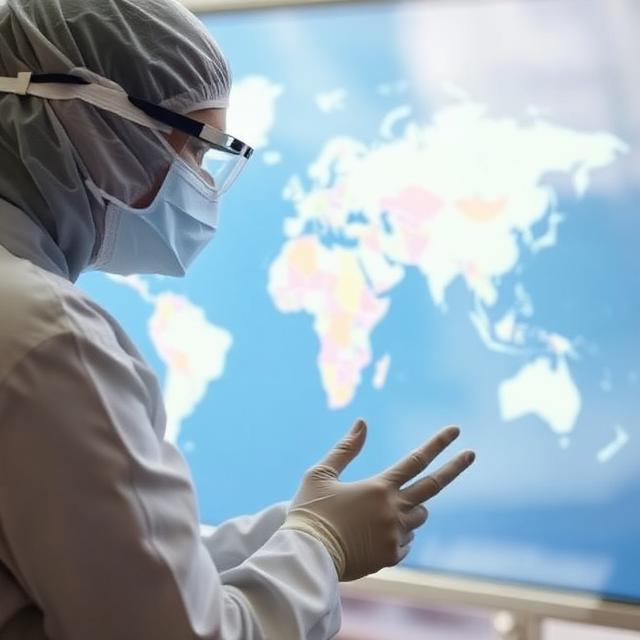
Global health systems are under increasing pressure in 2026 as disease outbreaks, public health emergencies, and medical infrastructure challenges continue to test healthcare authorities around the world. Health experts warn that while medical science is advancing rapidly, new infectious disease threats and healthcare system vulnerabilities remain major concerns.
One of the biggest health stories in recent weeks has been the rapidly spreading Ebola outbreak in parts of Central Africa. Global health officials have warned that the outbreak is moving faster than response efforts in some affected areas, raising fears of wider regional spread. Health authorities are working to improve screening, containment, emergency response, and international coordination to prevent the outbreak from escalating further.\
Medical experts say outbreaks become especially dangerous when healthcare systems are already fragile. In regions affected by conflict, poor infrastructure, limited access to treatment, and delayed diagnosis can make disease containment much more difficult. International health organizations are now increasing surveillance and emergency planning in neighboring countries to reduce cross-border risk.
At the same time, world health leaders are focusing on long-term reforms in global healthcare systems. New international discussions in 2026 have highlighted the need for stronger disease surveillance, faster outbreak response systems, improved vaccine research, and better global coordination between countries. Public health experts argue that lessons from past outbreaks must be used to strengthen preparedness for future emergencies.
Precision medicine is also emerging as a major breakthrough in global healthcare. Medical researchers are increasingly developing treatments tailored to individual patients based on genetics, biological markers, and personalized data. Experts believe this could transform cancer treatment, rare disease care, chronic illness management, and drug development by making therapies more targeted and effective.
Artificial intelligence is becoming another major force in healthcare innovation. AI-powered diagnostic systems are helping doctors detect diseases faster, improve imaging analysis, identify treatment risks, and support medical decision-making. Hospitals and research institutions worldwide are investing heavily in AI tools to improve healthcare efficiency and patient outcomes.
Despite these medical advances, health inequality remains a serious global issue. Many lower-income nations continue to face shortages of medicines, healthcare workers, vaccines, and medical equipment. International organizations say access to healthcare remains one of the biggest challenges in global public health.
Climate-related health risks are also becoming a growing concern in 2026. Rising temperatures, changing weather patterns, water shortages, and environmental disruptions are increasing the spread of some diseases and putting additional pressure on healthcare systems in vulnerable regions.
Medical analysts say the global health landscape is entering a critical period where innovation and preparedness must move together. While scientific breakthroughs are creating new hope, disease outbreaks and healthcare access challenges show that global health security remains fragile.
As governments and health agencies respond to both emergency outbreaks and long-term medical challenges, 2026 is becoming a defining year for global healthcare policy, disease preparedness, and the future of medical innovation worldwide.