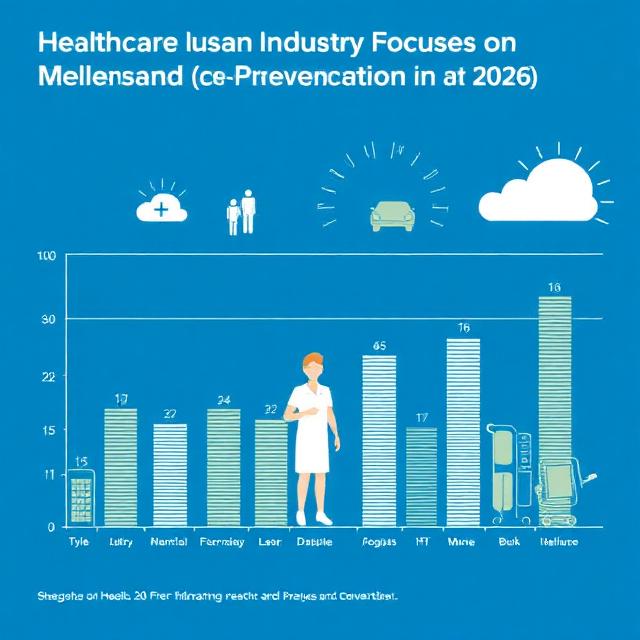

Mental wellness has emerged as one of the most important topics in healthcare during 2026. Healthcare professionals, wellness organizations, and communities are placing greater emphasis on emotional well-being as research continues to highlight the connection between mental and physical health. This growing focus is helping people better understand the importance of maintaining balance in their daily lives.
For many years, healthcare discussions primarily focused on physical health. Today, experts recognize that emotional well-being plays a significant role in overall quality of life. Mental wellness can influence productivity, relationships, sleep quality, physical health, and long-term happiness. As a result, healthcare providers are encouraging individuals to take a more comprehensive approach to personal well-being.
One of the main factors driving awareness is the increasing recognition of stress and its effects on daily life. Modern lifestyles often involve busy schedules, constant connectivity, and growing responsibilities. Health experts recommend developing healthy coping strategies to manage stress effectively. Activities such as exercise, meditation, reading, and spending time with family and friends can help support emotional well-being.
Physical activity remains one of the most effective ways to improve mental wellness. Regular exercise not only benefits physical health but also supports mood, energy levels, and overall mental resilience. Many healthcare professionals encourage individuals to incorporate movement into their daily routines, whether through walking, cycling, fitness classes, or recreational sports.
Sleep quality is another important component of mental health. Research continues to show that adequate sleep supports concentration, emotional stability, and overall wellness. Experts recommend maintaining consistent sleep schedules and creating healthy bedtime habits to improve rest and recovery.
Nutrition also plays a role in supporting mental well-being. Balanced diets that include nutrient-rich foods can contribute to better energy levels and overall health. Healthcare providers increasingly emphasize the relationship between healthy eating habits and emotional wellness, encouraging people to make informed dietary choices.
Technology is helping improve access to wellness resources. Mobile applications, online wellness programs, and digital health platforms provide information, guided activities, and self-monitoring tools that help individuals manage their well-being. These resources make it easier for people to access support and develop healthy habits regardless of location.
Workplace wellness programs are becoming increasingly popular as organizations recognize the importance of employee well-being. Companies are introducing initiatives such as flexible work arrangements, wellness workshops, and mental health resources to create healthier work environments. These efforts can improve employee satisfaction, productivity, and overall workplace culture.
Community support is also playing a vital role in promoting mental wellness. Local organizations, educational institutions, and healthcare providers are launching awareness campaigns designed to encourage open conversations about emotional health. These efforts help reduce stigma and make it easier for individuals to seek support when needed.
Educational programs focused on wellness are helping people develop practical skills for maintaining balance in their lives. Topics such as stress management, mindfulness, resilience, and healthy lifestyle habits are becoming more common in schools, workplaces, and community settings. These programs provide valuable knowledge that individuals can apply in everyday situations.
Healthcare experts believe that the future of wellness will involve a more integrated approach that combines physical health, emotional well-being, and preventive care. Advances in digital health technology, increased awareness, and expanding wellness resources are expected to make support more accessible to larger populations.
As awareness continues to grow, mental wellness is becoming a central part of modern healthcare strategies. By encouraging healthy habits, improving access to resources, and promoting positive lifestyle choices, healthcare organizations are helping individuals achieve better overall well-being.
The continued emphasis on mental wellness reflects a broader understanding that good health involves more than physical fitness alone. Supporting emotional well-being has become an essential step toward building healthier, happier, and more resilient communities in 2026 and beyond.