
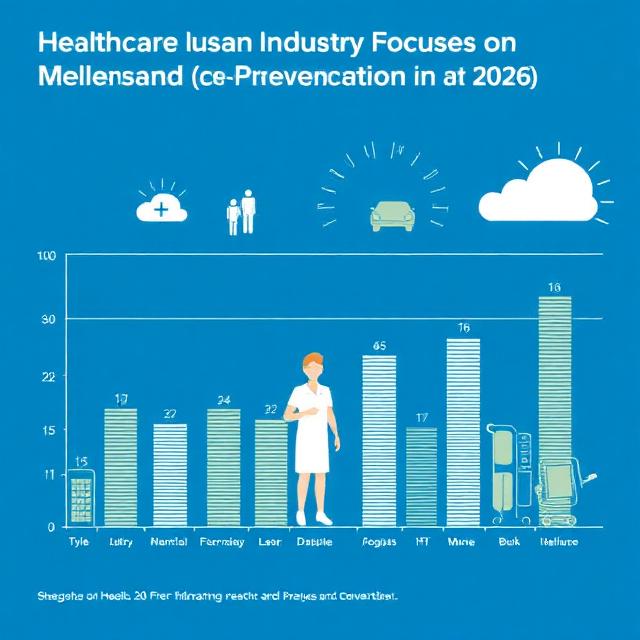
The healthcare industry continues to evolve in 2026 as wellness and preventive care become central priorities for medical professionals, healthcare providers, and communities worldwide. Rather than focusing only on treating illnesses, healthcare organizations are increasingly encouraging individuals to adopt healthier lifestyles and take proactive steps to maintain their well-being.
Preventive healthcare has become one of the most important trends in modern medicine. Health experts emphasize the value of regular checkups, screenings, vaccinations, and early intervention strategies. By identifying potential health concerns before they become serious, healthcare providers can help patients achieve better outcomes while reducing the burden on healthcare systems.
Public awareness of health and wellness has grown significantly in recent years. More people are paying attention to nutrition, fitness, sleep quality, and stress management as they seek to improve overall well-being. This increased awareness has contributed to a growing demand for health education, wellness programs, and preventive healthcare services.
Nutrition remains a key component of healthy living. Medical professionals continue to encourage balanced diets that include fruits, vegetables, whole grains, lean proteins, and essential nutrients. Healthy eating habits can support energy levels, strengthen the immune system, and reduce the risk of various long-term health concerns. As a result, nutrition education has become a major focus for healthcare organizations and wellness initiatives.
Physical activity is another essential element of preventive care. Experts recommend regular exercise as a way to improve cardiovascular health, maintain healthy body weight, and enhance mental well-being. Fitness programs, community health events, and digital workout platforms are making it easier for individuals to stay active and incorporate movement into their daily routines.
Mental health continues to receive increasing attention within the healthcare sector. Healthcare providers recognize the strong connection between emotional well-being and physical health. Organizations are expanding access to mental health resources, counseling services, and wellness programs designed to support individuals facing stress and other challenges. Public awareness campaigns are also helping reduce stigma and encourage open discussions about mental health.
Technology is playing a transformative role in healthcare delivery. Digital health platforms, wearable devices, and mobile applications allow individuals to monitor important health indicators such as activity levels, sleep patterns, and heart rate. These tools provide valuable insights that help users make informed decisions about their health and wellness goals.
Telehealth services have become an important part of modern healthcare. Virtual consultations offer convenient access to healthcare professionals and enable patients to receive guidance without visiting medical facilities. This approach improves accessibility, especially for individuals who may face barriers to traditional healthcare services.
Healthcare organizations are also investing in personalized care strategies. Advances in medical technology and data analysis are helping providers tailor recommendations and treatment plans to individual needs. Personalized approaches can improve patient engagement and support more effective health management.
Workplace wellness programs are becoming increasingly common as employers recognize the benefits of supporting employee health. Many organizations now offer fitness resources, health screenings, wellness education, and mental health support as part of broader efforts to create healthier work environments. These programs can improve productivity, employee satisfaction, and overall well-being.
Looking ahead, experts believe that prevention, technology, and patient-centered care will continue to shape the future of healthcare. Ongoing innovation and increased public awareness are helping create a healthcare environment focused on maintaining health rather than simply treating illness.
As the healthcare industry embraces wellness and prevention, individuals have more opportunities than ever to take control of their health. Through healthy lifestyle choices, regular medical care, and access to modern health technologies, people can work toward longer, healthier, and more fulfilling lives.