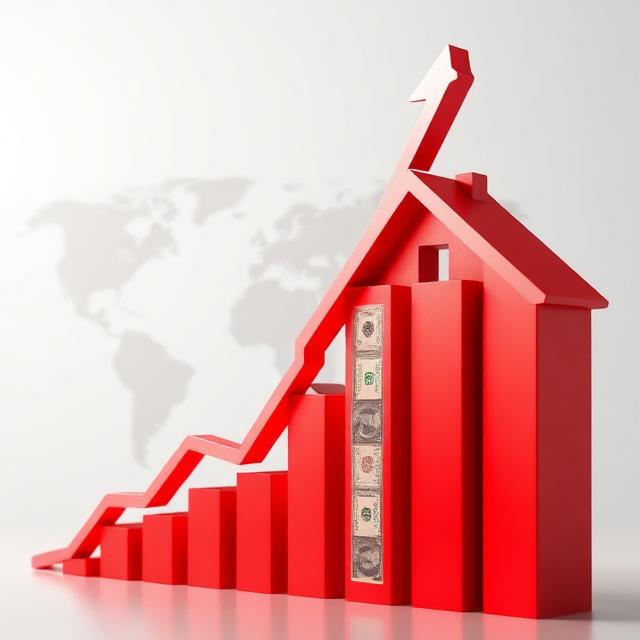
Commercial rental rates in high-traffic retail corridors in major US cities have risen 15 to 25 percent since 2022, following a brief pandemic-era decline that led many landlords to lock tenants into below-market leases that have now expired. Small business operators renewing leases are discovering market rents have reset to levels their revenues cannot support without dramatic price increases that risk losing price-sensitive customers.
Economic development organizations are tracking the resulting shift in commercial streetscapes, where independently owned retail and restaurant businesses are being replaced by chains with greater capital reserves to absorb rent increases. Several cities are exploring commercial rent stabilization ordinances that would limit annual rent increases for small business tenants, though critics argue such measures would reduce investment in commercial property maintenance and improvements.