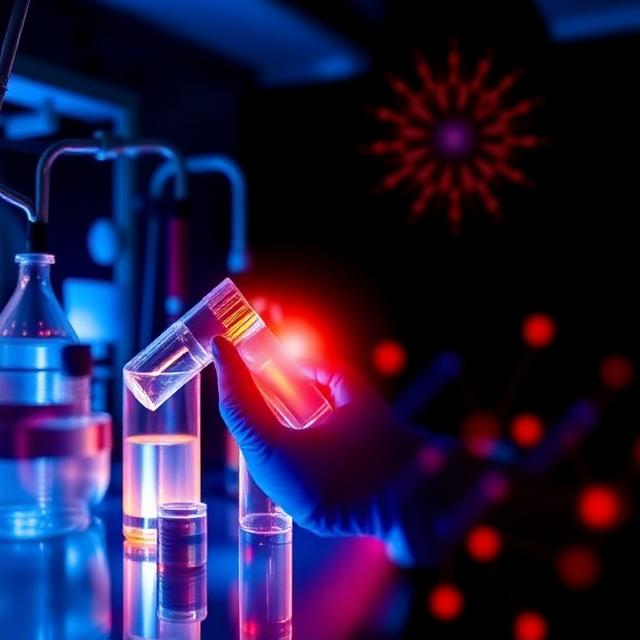
Scientific research in renewable energy continues to gain momentum as researchers around the world work to develop innovative solutions for future energy needs. In 2026, advances in clean energy technologies are helping scientists explore more efficient and sustainable ways to generate, store, and distribute power.
The growing demand for reliable energy sources has encouraged governments, research institutions, and private organizations to invest heavily in renewable energy projects. Scientists are focusing on improving existing technologies while also exploring entirely new approaches that could reshape the future of energy production.
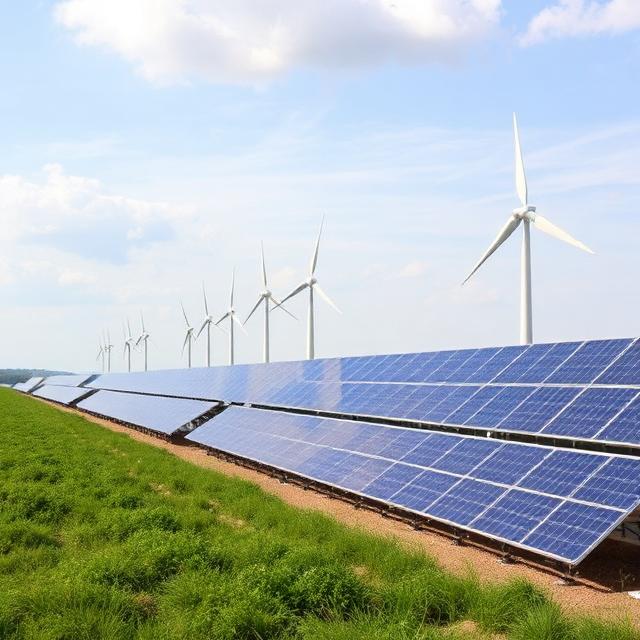
Solar energy remains one of the most active areas of research. Scientists are developing advanced solar panels designed to capture more sunlight and convert it into electricity with greater efficiency. New materials and manufacturing techniques are helping researchers improve performance while reducing production costs. These innovations could make solar power more accessible and practical for a wider range of applications.
Wind energy is another field experiencing significant scientific advancement. Researchers are designing more efficient turbines capable of generating greater amounts of electricity while operating under a variety of environmental conditions. Improvements in turbine technology are helping increase energy output and support the expansion of renewable power systems.
Energy storage has become a major priority for scientists. One of the challenges associated with renewable energy is ensuring a consistent power supply when weather conditions change. Researchers are developing advanced battery systems and storage technologies that can retain energy for longer periods and deliver it when needed. Effective energy storage solutions could play a critical role in supporting future renewable energy networks.
Artificial intelligence is increasingly being used to optimize energy systems. AI-powered tools can analyze large amounts of data to improve energy production, predict demand patterns, and manage power distribution more efficiently. These technologies are helping researchers and energy providers maximize the effectiveness of renewable resources.
Environmental sustainability remains a central goal of renewable energy research. Scientists are examining ways to reduce environmental impacts while meeting growing energy demands. Research efforts often focus on improving efficiency, minimizing resource consumption, and developing technologies that support long-term sustainability objectives.
International collaboration is playing an important role in scientific progress. Research institutions from different countries are sharing expertise, resources, and findings to accelerate innovation. These partnerships allow scientists to address complex challenges more effectively and contribute to the development of global energy solutions.
Universities and research centers continue to expand programs focused on renewable energy and sustainability. Students and emerging scientists are gaining valuable experience through projects that explore clean energy technologies and environmental solutions. These educational initiatives help prepare the next generation of researchers and innovators.
Industry involvement has also increased significantly. Businesses are working closely with scientists to transform research findings into practical applications. Commercial investments help support large-scale testing, product development, and the deployment of new technologies. This partnership between science and industry is helping accelerate the adoption of renewable energy solutions.
Experts believe that continued scientific innovation will play a key role in addressing future energy challenges. Advances in materials science, engineering, and digital technology are expected to create new opportunities for improving energy systems and supporting sustainable development.
Public interest in renewable energy research continues to grow as people become more aware of environmental and technological issues. Scientific discoveries in this field often attract significant attention because of their potential impact on energy production, economic development, and long-term sustainability.
As research efforts continue, scientists remain focused on creating efficient, reliable, and environmentally responsible energy solutions. Their work is helping shape a future where renewable technologies play an increasingly important role in meeting global energy needs.
The progress being made today demonstrates the power of scientific innovation to address complex challenges and create opportunities for future generations. Renewable energy research remains one of the most dynamic and promising areas of modern science, with the potential to influence society for decades to come.